
Homeowners Insurance
New Home Insurance in Liberty Hill: Questions Before Closing
Coordinate a new-home insurance review around rebuilding assumptions, property details, lender requests and a confirmed start date.
TXPAGES Team4 min read
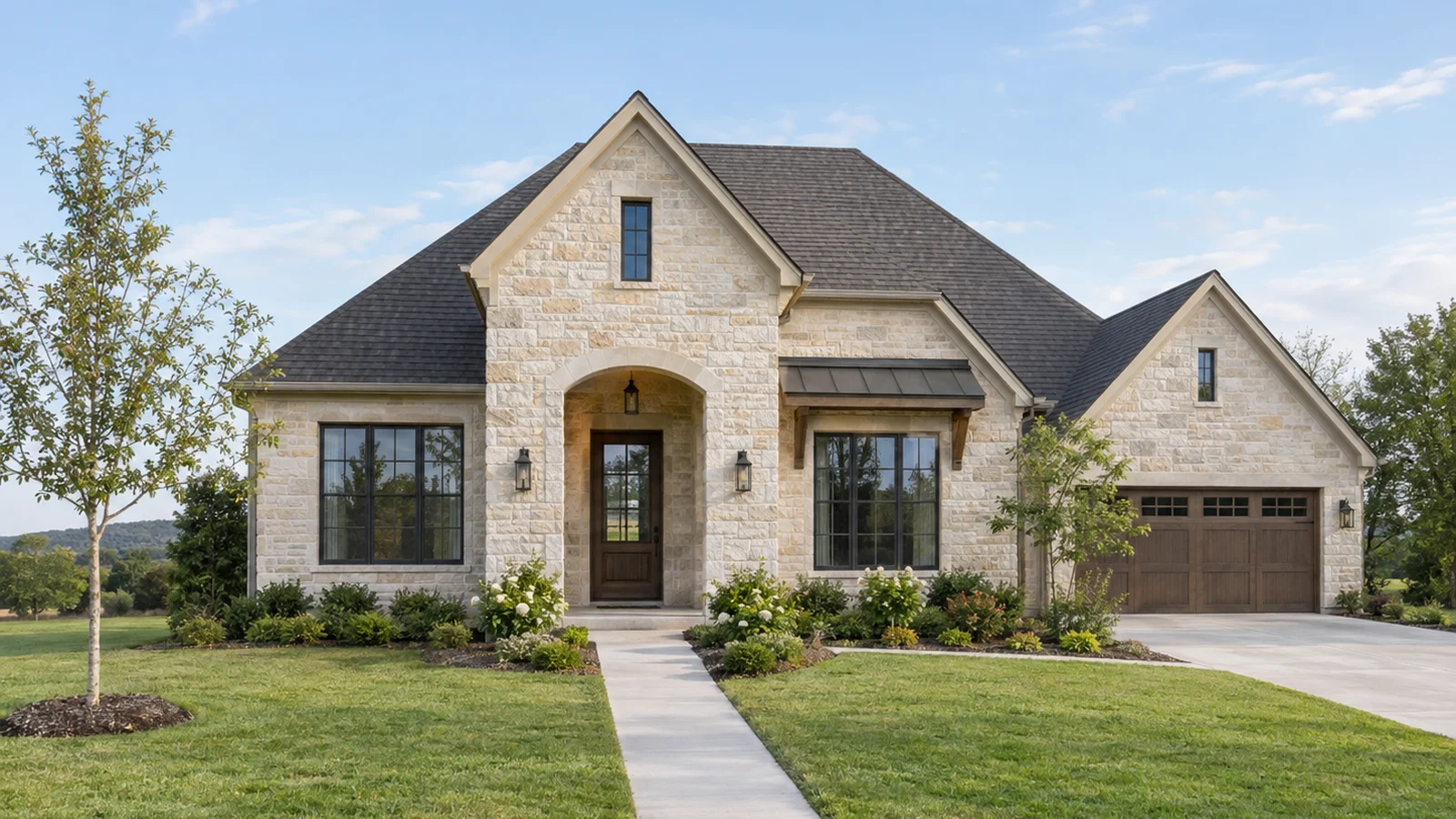
Home insurance in Liberty Hill should be discussed before closing-day paperwork becomes urgent. Bring accurate property details, the lender’s request and your expected closing date, then ask the agent to explain the actual proposal. TDI notes that a lender generally requires home insurance when a borrower still owes money on the home (TDI home insurance guide).
Grissom serves Liberty Hill through Cedar Park and offers homeowners coverage reviews for Central Texas properties (Liberty Hill service area, homeowners services). The review should address both the lender’s instructions and the homeowner’s understanding of the policy.
Begin the Liberty Hill home insurance review with accurate details
Prepare the property address, construction information, roof details and any detached structures. Identify what you know and what still needs confirmation from the builder, seller or records. Send the agent factual information through the agency’s appropriate process rather than guessing to complete a proposal quickly.
Use your closing timeline as a coordination tool. Ask when the insurer needs the information and what steps remain before a policy can be issued or confirmed.
Discuss rebuilding instead of relying on the sale price
TDI explains that home policies have coverage limits and distinguishes replacement cost from actual cash value (dwelling and settlement information). Ask the agent to explain the proposed dwelling limit and the assumptions behind it rather than simply copying the contract price into your own comparison.
Bring questions about attached and detached structures, finishes and any features that make the home different from a basic description. The goal is to understand the proposal, not use an article as a rebuilding estimate.
Use this closing-preparation worksheet
| Item | What to prepare | What to confirm |
|---|---|---|
| Property | Complete and accurate address/details | Correct insured location |
| Dwelling | Construction and finish information | Proposed limit and assumptions |
| Roof | Known age, material and documentation | Applicable settlement wording |
| Belongings | Household inventory or starting list | Limit and settlement approach |
| Lender | Written insurance requirements | Requested policy information |
| Timing | Planned closing and possession dates | Confirmed policy effective date |
Ask the agent to explain any missing or uncertain item. Keep the final policy documents separate from preliminary quotes so the confirmed arrangement is easy to identify.
Read deductibles and exclusions before deciding
TDI notes that coverages vary by company and that common exclusions include flooding, wear and tear and earth movement (coverage and exclusion guide). Ask about the actual exclusions and endorsements on the proposed policy, not just the benefits summarized in a quote.
Request a clear explanation of each relevant deductible. If a feature matters to you, have the agent show how the offered policy handles it instead of treating a general service-page description as the contract.
Plan for changes after the move
Keep a list of later decisions such as a detached structure, renovation, valuable purchases or a change in how the home is occupied. Before making an insurance assumption, describe the proposed change to the agent and ask whether the policy needs a review. Save any approved update with its effective date.
Grissom describes ongoing reviews as part of its homeowners services. Use that service when the property or household changes rather than waiting only for a premium notice.
Organize a last-minute property question
Imagine a hypothetical buyer who learns shortly before closing that a detached structure was missing from the initial property description. Send the factual update to the agent and ask whether the insurer needs new information or a revised proposal. Keep the lender’s request, the property details and the planned closing date together so the open issue is clear.
Do not fill the gap with a guess or assume that a preliminary quote automatically includes the structure. Ask what remains unresolved and who needs the final confirmation. This keeps the review focused on accurate information rather than completing paperwork at any cost.
Questions Liberty Hill buyers ask
Does the lender’s minimum settle every coverage question?
Treat the lender request and your own policy review as separate tasks. Ask about the actual limits, settlement approach and exclusions.
Is replacement cost the same as the purchase price?
Ask the agent to explain the dwelling estimate and settlement terms. TDI defines replacement cost in terms of repair or replacement at current prices (replacement-cost explanation).
Do I need to mention a detached building?
Yes, include property features in the information you provide. Ask how they are described and covered on the offer.
Can I assume all foundation problems are insured?
No, TDI identifies earth movement and wear and tear among common exclusions (home exclusions). Discuss the particular question with the agent.
Should the policy start date be guessed from closing?
Request explicit confirmation of the date and time required for your situation. Coordinate it with the agent and relevant closing parties.
Contact the Cedar Park office
Call (512) 260-7000 for a review with Grissom’s Cedar Park team, which serves Liberty Hill (local routing). Bring the lender’s written request and your property details.
This article is general education, not a closing instruction, appraisal or binding quote. Confirm actual policy terms, underwriting, exclusions and effective dates before relying on coverage.